Why Logo Finishes Matter for Paper Packaging
When it comes to paper packaging, your logo is often the first element customers notice. Beyond color and placement, the finishing technique you choose plays a critical role in how your brand is perceived — whether it feels premium, minimal, bold, or eco-conscious.
This guide explains the most common logo finishes on paper packaging, how they differ, and — most importantly — how to choose the right option based on your product, budget, and brand positioning.
Popular Logo Finishes on Paper Packaging
🔹 01. Offset Printing – Best for Detailed, Color-Accurate Logos
- Best for:
• Multi-color logos
• Large production runs
• Designs requiring high color accuracy
Offset printing applies CMYK or PMS inks directly onto paper surfaces and is widely used for retail and cosmetic packaging.
Why choose it:
• Precise color reproduction
• Cost-effective for high volumes
• Ideal for fine details and gradients
Common pitfalls:
• Less tactile than finishing techniques like foil or embossing
• Not suitable if you want a raised or glossy effect
✅ Tip:
Use Pantone (PMS) colors to ensure brand consistency across different packaging batches.
🔹 02. Hot Foil Stamping – Shiny and Luxurious & Eye-Catching
Best for:
• Luxury packaging
• Minimalist designs
• High shelf impact
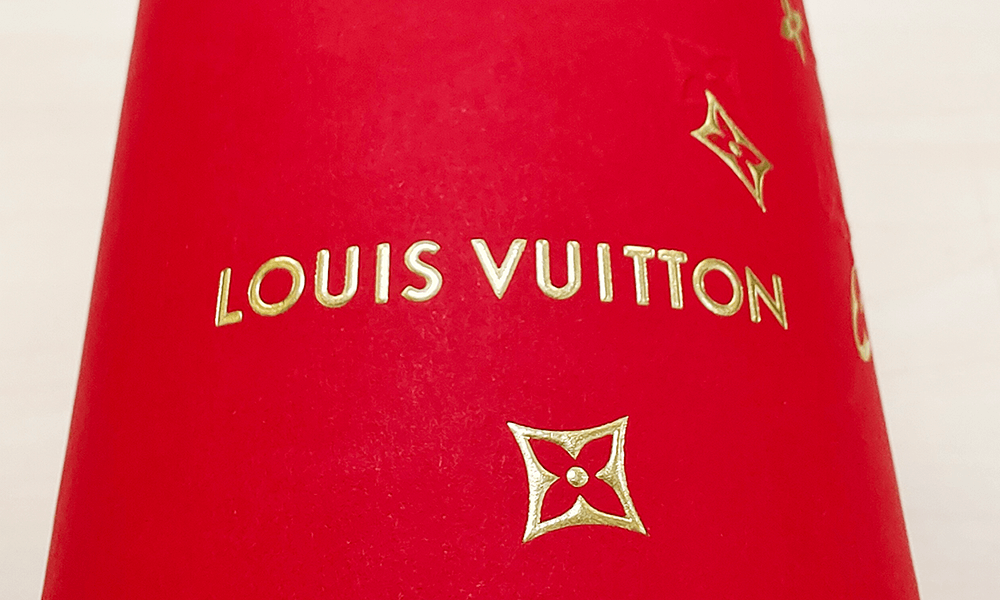
Hot foil stamping uses heat and pressure to transfer metallic foil onto the packaging surface.
Advantages:
• Strong visual contrast
• Luxurious metallic effect
• Excellent durability
Things to consider:
• Requires a custom metal die
• Fine lines or very small logos may lose clarity
• Costs increase when combined with embossing
Best applications:
Perfume boxes, premium cosmetics, gift boxes
🔄 Combine with embossing for a more tactile logo finish.
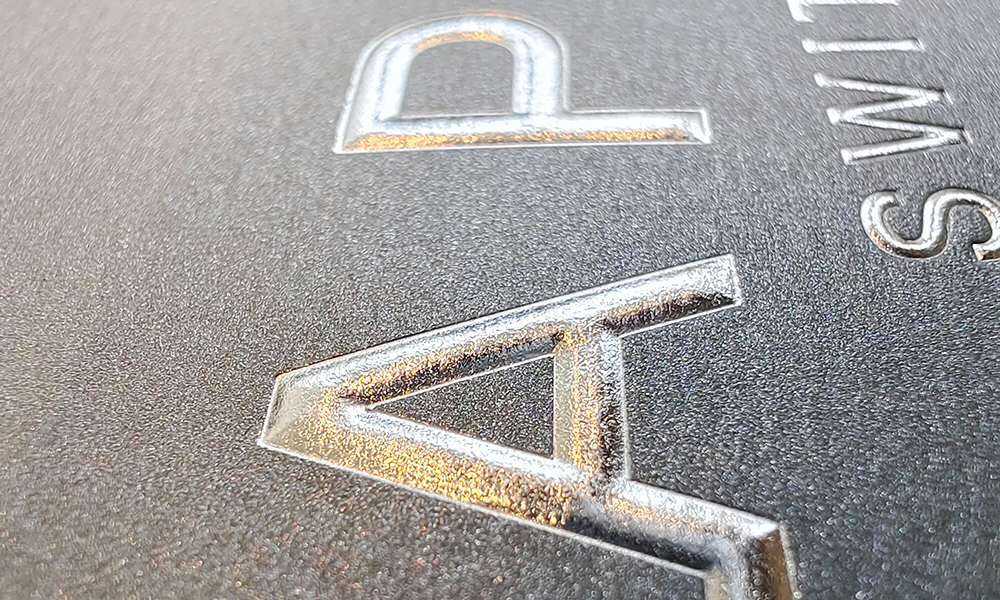
🔹 03. Embossing Logo – Raised Texture for Tactile Experience
Best for:
• Brands emphasizing touch and texture
• Minimalist luxury designs
Embossing raises the logo above the paper surface using a metal mold.
Why brands choose embossing:
• Adds depth without heavy ink coverage
• Subtle yet premium appearance
Limitations:
• Works best on thicker paper or rigid boxes
• Not ideal for extremely detailed logos
🔹 04. Debossing Logo – Understated & Elegant
Best for:
• Eco-friendly packaging
• Matte or kraft paper boxes
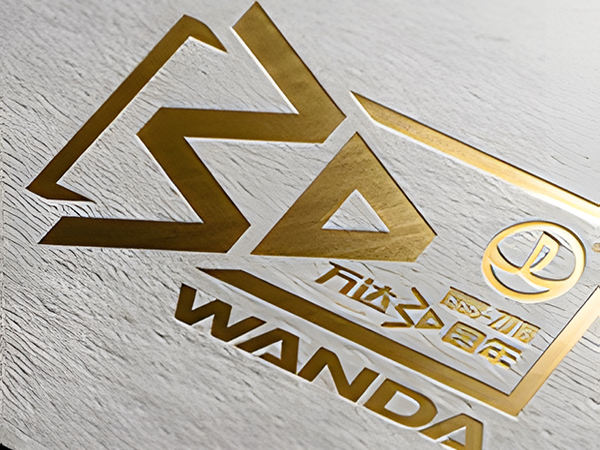
Debossing presses the logo into the paper surface, creating a recessed effect.
Advantages:
• Clean and refined look
• No foil or ink required
• Strong compatibility with sustainable materials
Common uses:
Kraft boxes, matte black rigid boxes, minimalist branding
🔹05. Spot UV Logo – Glossy Highlights with Strong Contrast
Best for:
• Modern packaging
• Highlighting logos or brand names
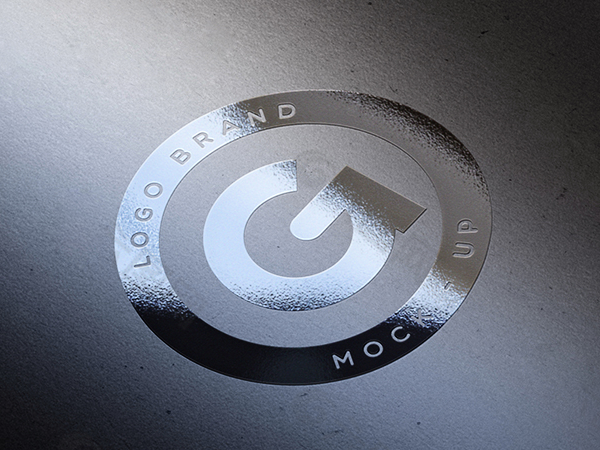
Spot UV applies a glossy varnish to specific areas only.
Why it works:
• Strong contrast on matte surfaces
• Cost-effective for small areas
Watch out for:
• Fingerprints on dark backgrounds
• Large Spot UV areas may appear uneven
Popular combinations:
Matte lamination + Spot UV = Strong contrast
Spot UV + Embossing = Shine and depth
🔹 06. Silkscreen Printing Logo – Bold & Versatile
Best for:
• Solid color logos
• Textured or non-absorbent surfaces
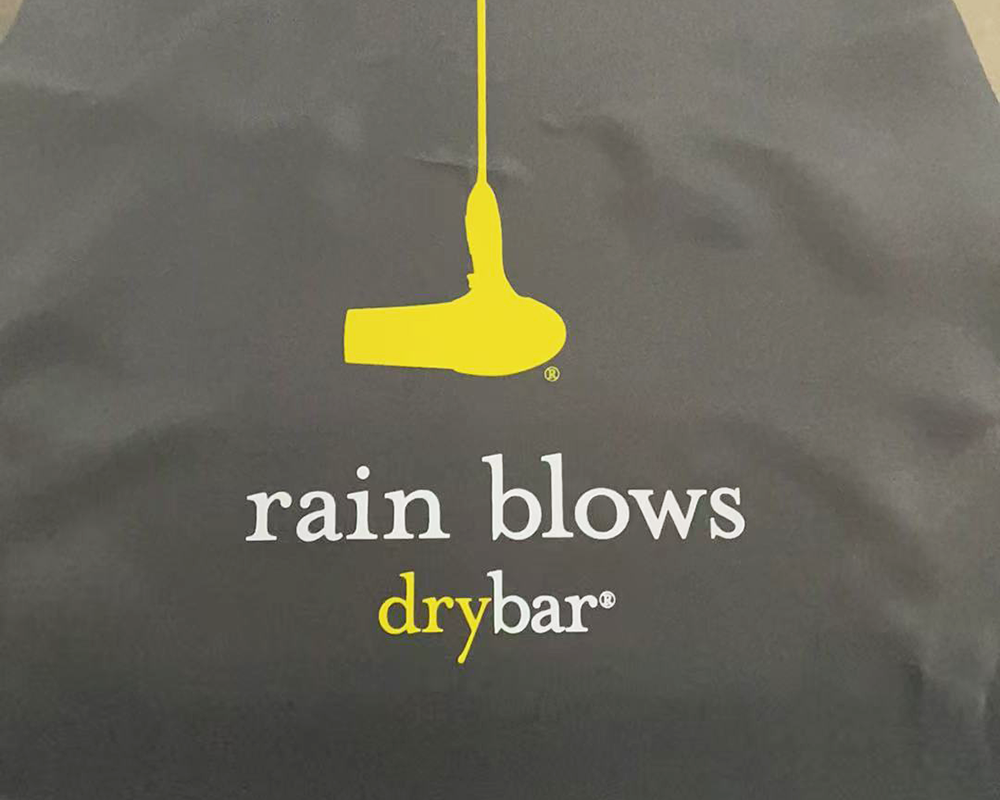
Silkscreen printing pushes ink through a mesh screen directly onto the packaging surface.
Key advantages:
• Strong ink opacity
• Works on coated paper, rigid boxes, wood, leather, textiles and plastics
• Suitable for small-batch premium packaging
Extra capability:
Silkscreen can also be used for raised ink, glitter effects, and thick UV coatings.
🔹 07. Glitter Powder – Glamorous, Festive & Decorative
Best for:
• Holiday packaging
• Cosmetic and beauty gift sets
This technique applies glitter powder through screen printing to create a sparkling logo effect.
Considerations:
• Primarily decorative
• Not ideal for long-term durability or minimalist branding

How to Choose the Right Logo Finish?
If your priority is luxury and shelf impact:
→ Hot foil stamping or embossing
If your logo is small or highly detailed:
→ Offset printing or silkscreen printing
If you want a minimalist or eco-friendly look:
→ Debossing or blind embossing
If your budget is limited but you want visual highlights:
→ Spot UV
Cost Considerations for Different Logo Finishes
Logo finishing costs depend on:
• Logo size
• Chosen technique
• Tooling requirements
• Order quantity
Among all options, foil stamping with embossing tends to be more costly because it requires both heat-transfer foils and custom molds and involve higher setup costs. In contrast, techniques like spot UV or silk screen printing can be more budget-friendly for smaller areas.
When selecting a finish, brands should balance visual impact, durability, and cost to ensure the packaging both looks premium and stays within budget.
Need Help Choosing the Right Logo Finish?
At Longgreen, we help brands select logo finishing techniques that align with their packaging design, budget, and production scale — from concept to mass production.
Contact our team to discuss the best solution for your custom paper packaging project.
📩 Let’s talk about your project now!