Packaging surface finishing plays a critical role in both visual appeal and functional protection of printed packaging.
For luxury brands such as cosmetics, perfume, skincare, and gift packaging, surface finishing is not just decoration—it directly affects:
- Brand perception
- Product durability
- Scratch resistance
- Moisture protection
- Luxury tactile experience
The two most widely used finishing technologies in the packaging industry are:
Coating and Lamination
Although they may look similar on the surface, they are fundamentally different in structure, performance, and application.
This guide explains all major surface finishing options, compares coating vs lamination, and helps you choose the right solution for your packaging project.
What Are Packaging Surface Finishes?
Packaging surface finishes refer to post-print or in-print processes applied to packaging materials to enhance:
- Protection against scratches and scuffs
- Gloss or matte visual effects
- Soft-touch tactile experience
- UV resistance
- Premium luxury feel
In high-end packaging production, surface finishing is usually applied on:
- Rigid boxes
- Folding cartons
- Cosmetic boxes
- Perfume packaging
- Gift boxes
The two main categories are:
- Coating (liquid-based protection layer)
- Lamination (film-based surface layer)
What Is Packaging Coating?
Coating is a liquid-based finishing process applied directly onto printed surfaces.
It is cured using UV light or heat, forming a protective layer over the packaging.
Coating is widely used for:
- High-end cosmetic boxes
- Perfume packaging
- Lightweight paperboard packaging
Key Characteristics of Coating
- Applied as liquid varnish or UV layer
- Thin protective film
- Fast production process
- Cost-efficient for large-scale packaging
- Compatible with complex printing effects
Types of Packaging Coating
1. Scuff Free Varnish
Scuff free varnish is designed to prevent surface abrasion during transport and handling.
- High scratch resistance
- Improves durability
- Ideal for luxury retail packaging
2. Matte Varnish
Matte varnish creates a smooth, non-reflective surface.
- Elegant and premium look
- Reduces glare
- Common in skincare packaging
3. Gloss Varnish
Gloss varnish enhances color vibrancy and shine.
- High visual impact
- Bright color reproduction
- Ideal for retail shelf display
4. Satin Varnish
A balance between matte and gloss.
- Soft visual finish
- Subtle luxury effect
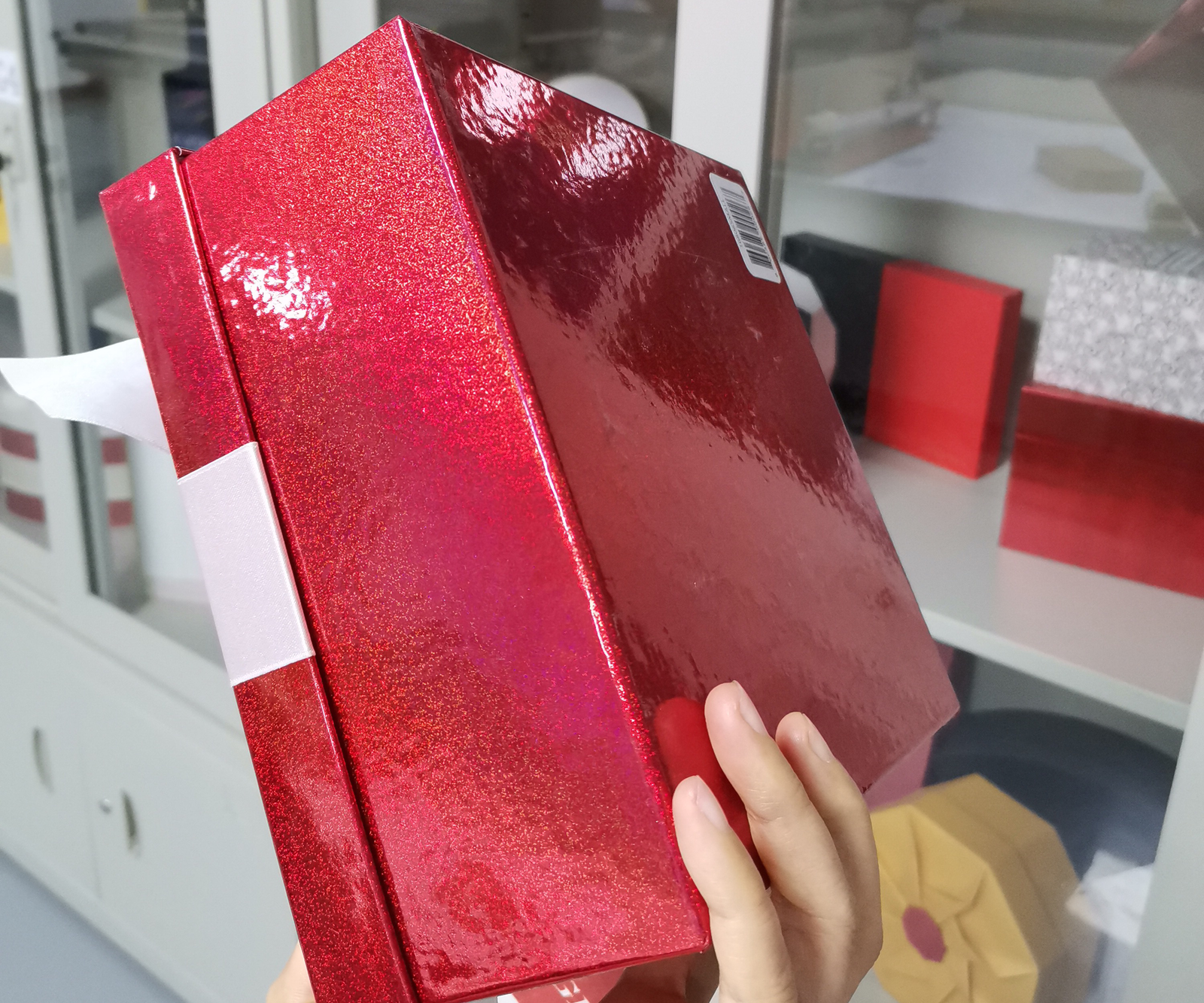
5. UV Coating
UV coating is cured under ultraviolet light.
- Strong protection layer
- High resistance to moisture and scratches
- Often used for branding highlights
6. Soft Touch Coating
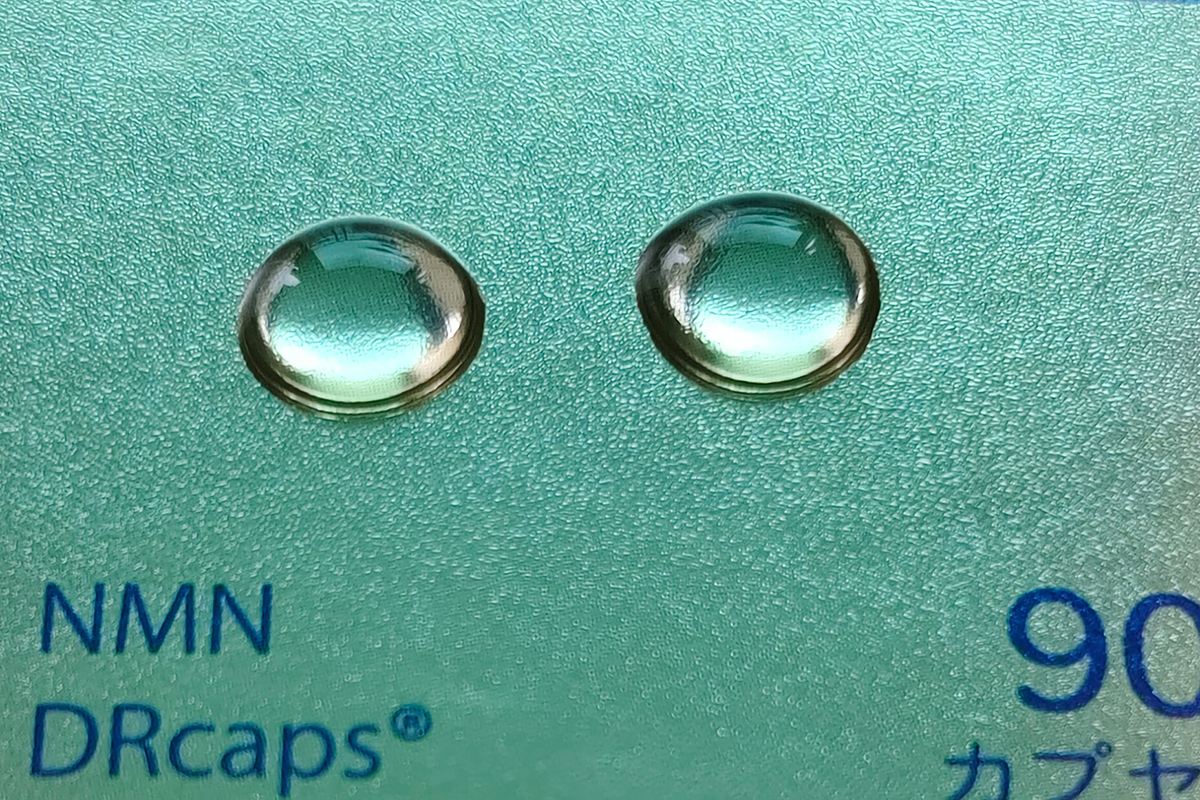
Soft touch coating provides a velvet-like tactile feel.
- Premium luxury sensation
- Frequently used in perfume packaging
- Enhances emotional brand perception
7. Anti Scratch Coating
Special protective coating designed for durability.
- Prevents surface damage
- Ideal for shipping-heavy products
What Is Packaging Lamination?
Lamination is a process where a thin plastic or eco film is bonded to printed paperboard.
Unlike coating, lamination adds a physical layer on top of the packaging.
It is widely used for:
- Luxury rigid boxes
- Folding cartons
- Premium retail packaging
Key Characteristics of Lamination
- Film-based surface protection
- Higher durability than coating
- Strong resistance to moisture and abrasion
- More premium structural feel
- Slightly higher cost
Types of Packaging Lamination
1. Matte Lamination
Matte lamination provides a smooth, non-gloss finish.
- Premium and elegant look
- Strong fingerprint resistance
- Widely used in cosmetic packaging
2. Gloss Lamination
Gloss lamination enhances color brightness and depth.
- High visual impact
- Strong shelf presence
- Common in retail packaging
3. Soft Touch Lamination
Soft touch lamination delivers a velvet-like texture.
- Ultra premium tactile experience
- High-end perfume packaging standard
- Enhances perceived luxury value
4. Anti Scratch Lamination
Designed for maximum durability.
- Prevents scratches and scuffs
- Ideal for shipping-sensitive packaging
5. Eco Lamination
Eco lamination uses recyclable or biodegradable films.
- Reduced environmental impact
- Suitable for sustainable brands
- Increasingly popular in EU & US markets
Coating vs Lamination – What Is the Difference?
Understanding the difference is critical when choosing packaging finishing.
| Feature (特性) | Coating (Varnish / UV) | Lamination (PP / Eco Film) |
| Material | Liquid applied directly (Water/Soy based) | Thin plastic film (BOPP/PET) bonded to paper |
| Durability | Moderate protection against scuffs | Strong protection against moisture, tearing & heavy wear |
| Appearance | Glossy, Matte, Soft-touch effects | High-gloss, Velvet-like, Textured finishes |
| Tactile Feel | Smooth, follows paper texture | Thicker layer, distinct “plastic” or premium feel |
| Eco-Friendliness | High: Easier to de-ink and recycle | Variable: Traditional PP is hard to recycle; Bio-films are emerging |
| Cost Efficiency | Lower cost, faster turnaround | Higher cost due to material + labor |
| Best Application | FMCG, Book covers, Flyers, Eco-packaging | Luxury boxes, Perfume packaging, Cosmetic Packaging, Skincare Packaging, etc |
Key Insight:
- Coating = lighter, more flexible, cost-efficient
- Lamination = stronger, more premium, more durable
Soft Touch Coating vs Soft Touch Lamination
Both create a velvet-like surface, but performance differs:
Soft Touch Coating
- Softer budget option
- Slightly lower durability
- Ideal for short lifecycle packaging
Soft Touch Lamination
- Premium tactile experience
- Higher scratch resistance
- Preferred for luxury perfume packaging
Which Surface Finish Should You Choose?
Different industries require different finishing solutions:
Perfume Packaging
Recommended:
- Soft touch lamination
- Scuff free varnish
- Gold foil + embossing combination
Cosmetic Packaging
Recommended:
- Matte lamination
- UV coating for branding
- Anti scratch protection
Luxury Gift Boxes
Recommended:
- Soft touch coating or lamination
- Gloss accents for logo
- Embossing + foil stamping
Eco-Friendly Packaging
Recommended:
- Eco lamination
- Water-based varnish
- Minimal plastic usage
Advanced Finishing Combinations (Professional Insight)
In luxury packaging manufacturing, finishes are often combined:
- CMYK printing + UV coating + embossing
- Foil stamping + soft touch lamination
- Matte lamination + spot UV highlights
These combinations significantly enhance:
- Brand premium perception
- Shelf visibility
- Customer unboxing experience
Industry Applications
Surface finishing is widely used across:
- Perfume packaging boxes
- Cosmetic packaging
- Skincare product boxes
- Jewelry packaging
- Luxury gift boxes
- Retail packaging cartons
Sustainability in Surface Finishing
With growing environmental concerns, packaging finishes are evolving:
Eco-friendly options include:
- Water-based varnish
- Eco lamination films
- Plastic-free coating systems
Sustainable finishing is especially important for:
- EU markets
- Clean beauty brands
- Organic product packaging
FAQ – Packaging Surface Finishes
1. What is the difference between coating and lamination?
Coating is a liquid layer, while lamination is a film layer applied to packaging.
2. Which is more durable?
Lamination is generally more durable than coating.
3. What is scuff free varnish?
It is a protective coating that prevents surface abrasion during handling and shipping.
4. What is the most luxury packaging finish?
Soft touch lamination combined with foil stamping and embossing.
5. Is lamination eco-friendly?
Eco lamination options exist, but traditional plastic films are less sustainable.
Conclusion
Choosing the right packaging surface finish is essential for balancing:
- Visual aesthetics
- Durability
- Cost efficiency
- Brand positioning
Coating is ideal for lightweight, cost-effective luxury packaging, while lamination delivers superior durability and premium tactile experience.
For luxury packaging industries such as cosmetics and perfume, combining multiple finishing techniques often produces the best result.