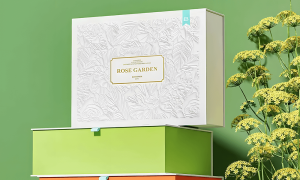

The quality of a paper packaging product is determined by much more than its appearance. Behind every luxury rigid box, folding carton, gift box, or premium retail package lies a complex manufacturing process involving material selection, structural engineering, printing technologies, surface treatments, decorative finishing, and assembly techniques.
Understanding the printing and packaging process helps brands make better decisions about packaging performance, appearance, sustainability, and cost efficiency.
Whether you are developing packaging for cosmetics, perfumes, personal care products, gifts, electronics, or luxury retail products, understanding each stage of production can help ensure your packaging meets both functional and branding requirements.
This guide provides a comprehensive overview of the complete paper packaging manufacturing process.
📦 Packaging Materials
📐 Box Structures
🖨 Printing Methods
✨ Coating & Lamination
🏆 Decorative Finishing
🔧 Packaging Components & Assembly
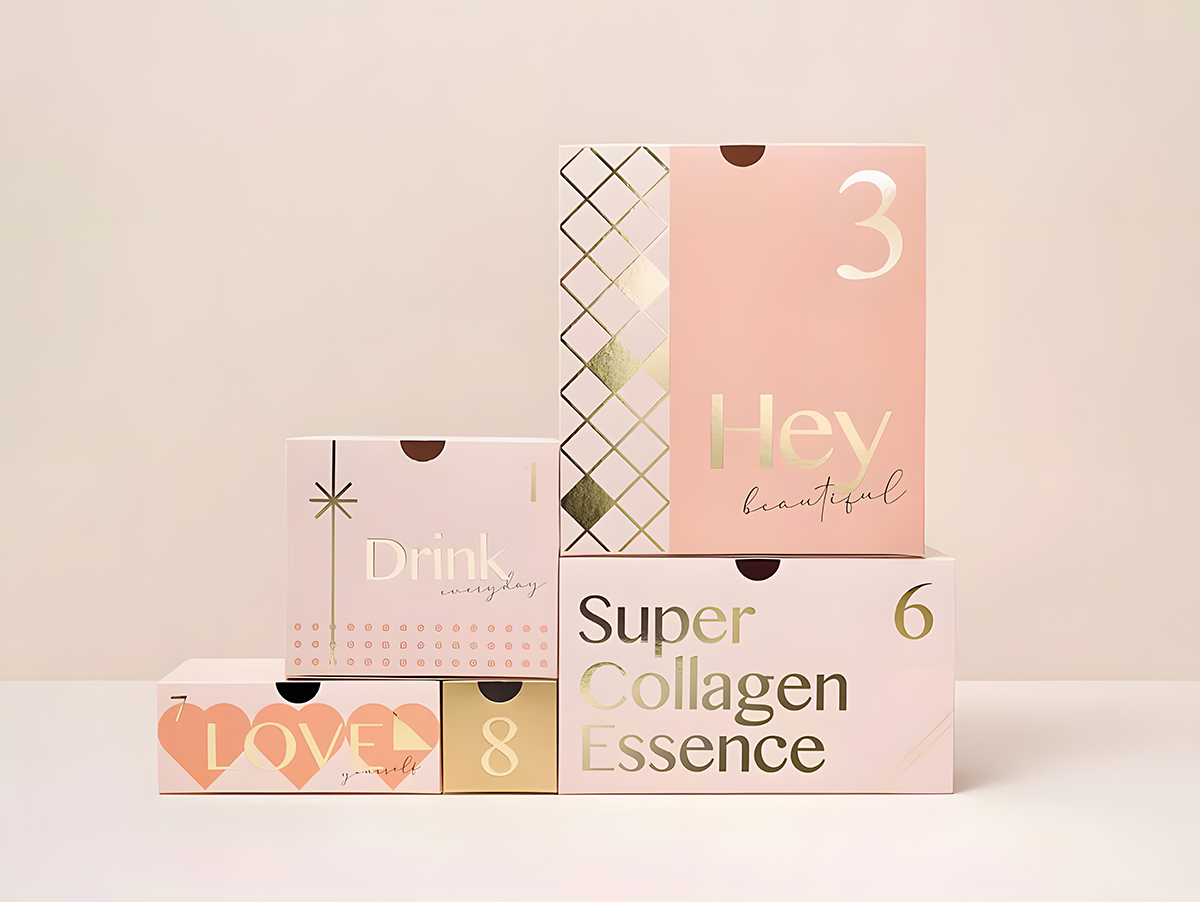
The Complete Packaging Manufacturing Workflow
A typical paper packaging project follows the following production sequence:
- Material Selection
- Structural Design
- Artwork Preparation
- Printing
- Surface Protection
- Decorative Finishing
- Assembly & Accessories
- Quality Inspection
- Packing & Shipping
Each stage affects the final result. A premium package is rarely created by a single special effect—it is the combination of all manufacturing processes working together.
1. Packaging Materials: The Foundation of Every Packaging Project
Material selection is often the most underestimated step in packaging development.
The same artwork printed on different materials can produce dramatically different results in appearance, durability, and cost.
Common Paper Materials
Paper packaging manufacturers typically work with:
- C1S Paper (Coated One Side)
- C2S Paper (Coated Two Sides)
- Art Paper
- Kraft Paper
- Black Card Paper
- Specialty Paper
- Textured Paper
Each material provides unique visual and tactile characteristics.
Art paper offers excellent printability and color reproduction, while specialty papers can create a premium and distinctive appearance without requiring additional decorative effects.
Typical Problem:
A brand requested a large solid-black print on textured paper to achieve a luxury matte look. The result was patchy.
Why:
Textured surfaces absorb ink unevenly.
Fix:
Switch to coated art paper + soft-touch lamination for even coverage with the same premium feel.
Pro Tip:
Textured papers and kraft papers absorb ink more quickly and unevenly. Colors appear softer and details lose sharpness. If your design depends on bold colors or crisp lines, coated paper is the safer choice.
Structural Board Materials
For rigid packaging construction, common board materials include:
- Greyboard
- Duplex Board
- Corrugated Board
Greyboard remains the preferred choice for luxury rigid boxes because of its excellent rigidity, dimensional stability, and premium feel.
Packaging Inserts
Packaging inserts provide protection and presentation.
Popular insert options include:
- EVA Foam
- Sponge Foam
- Molded Pulp
- Paper Inserts
- Cardboard Dividers
- PET Trays
The insert selection should be based on product fragility, sustainability objectives, and customer experience requirements.
Typical issue:
EVA foam can yellow over time. A fragrance brand experienced this after six months on shelf.
Solution: flocked cardboard tray for stability and longevity.
Explore More: Paper Packaging Materials →
2. Packaging Structures: Where Engineering Meets User Experience
The structure of a package determines how customers interact with your product.
A well-designed structure improves protection, enhances perceived value, and creates a memorable unboxing experience.
Common Rigid Box Structures
Magnetic Closure Boxes
One of the most popular luxury packaging formats.
Advantages include:
- Premium presentation
- Strong product protection
- Elegant opening experience
Common applications:
- Cosmetics
- Perfumes
- Gift Sets
- Fashion clothing
Drawer Boxes
Also known as slide boxes.
Popular for:
- Fragrance collections
- Jewelry
- Underwear
- Premium accessories
Two-Piece Rigid Boxes
Consisting of a base and lid, this traditional structure remains one of the most recognized luxury packaging formats.
Book Style Boxes
Book-style rigid boxes combine functionality with extensive branding opportunities and are frequently used for high-end product launches and collector editions.
Folding Cartons
Folding cartons provide excellent cost efficiency and are widely used for cosmetics, skincare products, supplements, and retail packaging.
Cost-Saving Insight: Foldable Rigid Boxes
Many brands assume luxury packaging must be shipped fully assembled.
In reality, foldable rigid boxes can reduce shipping volume dramatically while maintaining the same premium appearance after assembly.
For international projects, this structure can significantly lower freight and warehouse costs without sacrificing presentation quality.
Explore More: Structures of Paper Gift Boxes →
3. Printing Methods: Bringing Brand Identity to Life
Printing is where packaging transforms from a blank structure into a branded communication tool.
The choice of printing method affects color accuracy, visual impact, production efficiency, and overall manufacturing cost.
To achieve the best results for this finishing process, artwork preparation notes.
- Use vector artwork whenever possible.
- Ensure all images are at least 300 DPI.
- Include a 3 mm bleed on all sides.
- Convert all text to outlines before file submission.
- Clearly identify special finishing areas using separate layers or spot colors.
CMYK Printing
CMYK uses four process colors:
- Cyan
- Magenta
- Yellow
- Black
By combining these four inks, printers can reproduce a wide range of colors suitable for most packaging projects.
Advantages:
- Cost-effective
- Excellent for images and gradients
- Suitable for medium and large production runs
Pantone Printing
Pantone printing uses pre-mixed spot colors to achieve highly precise color reproduction.
Advantages:
- Superior brand consistency
- Accurate logo reproduction
- Better solid-color performance
Particularly important for luxury brands and companies with strict brand guidelines.
CMYK vs Pantone: Which Should You Choose?
CMYK is generally the best option when designs contain photography, gradients, or multiple colors.
Pantone is recommended when exact brand color consistency is critical.
For example, if your logo uses a specific corporate blue that must remain identical across multiple production runs and suppliers, Pantone printing is often the safer choice.
Printing Technologies
Depending on project requirements, manufacturers may use:
- Offset Printing for bulk production
- Digital Printing for sampling
- Screen Printing for logo
- Flexographic Printing for labels & stickers
Expert Tip: Not All Papers Print Equally
Many brands select specialty paper based solely on appearance.
However, textured papers and kraft papers often absorb ink unevenly. Large solid-color areas, especially dark colors, may appear less saturated or slightly inconsistent compared with coated art paper.
If your packaging design contains heavy color coverage, photographic images, or highly detailed graphics, always verify material compatibility before final production.
For premium paper packaging, offset printing remains the industry standard because of its exceptional image quality and production efficiency.
A real case:
A brand insisted on printing a deep navy logo in CMYK. Results varied by batch—some slightly purple, others faded. Switching to Pantone stabilized the color immediately.
Explore More: CMYK and Pantone in Paper Packaging →
4. Surface Protection: Coating and Lamination
After printing, packaging often requires additional surface treatment to improve durability and enhance appearance.
Although coating and lamination are sometimes confused, they are fundamentally different processes.
Coating(Varnish Finishes)
A coating is a liquid layer applied directly to the printed surface.
Varnish coating is a cost-effective alternative to lamination, commonly used for folding cartons and lightweight packaging.
Popular options include:
- Aqueous Coating
- UV Coating
- Soft Touch Coating
- Scuff-Free Coating(Varnish)
- Matte Varnish
- Gloss Varnish
- Satin Varnish
Benefits:
- Surface protection
- Improved scratch resistance
- Enhanced visual appearance
Lamination
Lamination applies a thin film over the printed sheet.
Common choices include:
- Gloss Lamination
- Matte Lamination
- Anti scratch lamination
- Soft Touch Lamination
Benefits:
- Increased durability
- Moisture resistance
- Enhanced tactile experience
Coating vs Lamination
As a general rule:
Coating is often preferred when sustainability, recyclability, or lower costs are priorities.
Lamination is typically selected when maximum durability and premium appearance are required.
Expert Tip: Dark Packaging Requires Additional Protection
Luxury packaging often uses black or dark-colored backgrounds.
These surfaces tend to show scratches, fingerprints, and abrasion more easily during transportation and retail handling.
For dark-colored packaging, Scuff-Free Coating or Anti-Scratch Coating and Anti-Scratch lamintion can significantly improve appearance and reduce damage claims.
Explore More: Coating and Lamination →
5. Decorative Finishing: Creating Premium Visual Impact
Decorative finishing techniques transform packaging from functional protection into a powerful branding tool.
These enhancements increase perceived value and create memorable customer experiences.
Foil Stamping
Foil stamping uses heat and pressure to transfer metallic foil onto packaging surfaces.
Popular choices include:
- Gold Foil
- Silver Foil
- Rose Gold Foil
- Holographic Foil
Foil stamping remains one of the most effective methods for luxury branding.
Embossing and Debossing
Embossing creates raised elements.
Debossing creates recessed impressions.
Both techniques add dimension and tactile sophistication.
Spot UV
Spot UV applies a glossy coating to selected areas.
Frequently used on:
- Logos
- Brand names
- Product imagery
The contrast between matte and gloss surfaces creates a striking visual effect.
Advanced Decorative Effects
Premium packaging may also incorporate:
- Cast & Cure Effects
- Micro Embossing
- Texture Varnishes
- Specialty Pattern Effects
Professional Recommendation
Rather than applying numerous decorative effects simultaneously, successful luxury packaging often focuses on one or two carefully selected finishing techniques that reinforce the brand identity.
In many cases, a combination of foil stamping and embossing creates a stronger premium impression than using multiple competing effects.
Explore More: Packaging Finishing Techniques →
6. Packaging Components, Accessories and Assembly
Luxury packaging often combines structural components and decorative accessories to improve functionality, protection, and brand presentation.
The final stage of production involves converting printed components into finished packaging products.
This phase is especially important for luxury rigid boxes.
Packaging Components and Accessories
- Magnetic Closures
- Ribbons
- Elastic Bands
- Fabric Pull Tabs
- Metal Logo Plates
- Leather Labels
- Handles
These accessories enhance both functionality and customer experience.
Assembly Operations
Typical assembly processes include:
- Box Forming
- Greyboard Wrapping
- Magnet Installation
- Insert Placement
- Ribbon Attachment
- Window Patching
- Manual Inspection
Luxury rigid boxes often require extensive handcraftsmanship to achieve premium quality standards.
Even minor assembly inaccuracies can affect appearance, functionality, and customer perception.
Looking for labels, ribbons, tissue paper, sleeves, booklets and other branding accessories?
Explore our complete Packaging Accessories solutions →
How to Reduce Packaging Costs Without Sacrificing Quality
One of the most common misconceptions in packaging development is that reducing costs automatically means reducing quality.
In reality, smart packaging engineering often delivers significant savings while maintaining a premium appearance.
Consider the following strategies:
- Standardize box dimensions across product lines.
- Use one premium finishing effect instead of several competing effects.
- Select foldable rigid box structures when freight costs are significant.
- Optimize insert design to reduce material consumption.
- Use CMYK printing when exact Pantone matching is not required.
- Minimize unnecessary assembly complexity.
The most cost-effective packaging solutions are usually the result of thoughtful engineering rather than material reduction.
Why Choosing the Right Packaging Manufacturer Matters
Packaging manufacturing is not simply about producing boxes.
The best packaging partners provide guidance on:
- Material selection
- Structural optimization
- Cost control
- Print quality
- Decorative finishing
- Logistics efficiency
A knowledgeable packaging manufacturer can often identify potential production issues before they become costly mistakes.
This expertise becomes particularly valuable for luxury packaging, cosmetics packaging, fragrance packaging, and premium retail products where appearance and consistency directly influence customer perception.
Final Thoughts
Exceptional packaging is created through the successful integration of materials, structure, printing, surface protection, decorative finishing, and assembly.
Understanding the complete printing and packaging process allows brands to make informed decisions, avoid common production mistakes, optimize costs, and create packaging that strengthens both product protection and brand value.
Whether you are developing a luxury rigid box, a cosmetic folding carton, a perfume gift box, or a custom retail packaging solution, every stage of the manufacturing process contributes to the final customer experience.
The most successful packaging projects are those that balance aesthetics, functionality, production efficiency, and commercial objectives from the very beginning.