
How to Choose a Reliable Custom Retail Packaging Supplier for your project? Finding a packaging supplier is easy. Finding one that is right for your project is not.
You can find hundreds of packaging suppliers online, compare quotations within a few hours, and receive samples from different companies. The difficult part comes later: Will the supplier understand your product? Will the sample match the design? Will the color be consistent in mass production? And who will take responsibility if something goes wrong?
After years of working with international brands on custom packaging projects, we have found that the lowest price and the largest factory do not necessarily make a supplier the right choice.

Here are 10 things we recommend checking before placing an order.
1. Does the Supplier Understand Your Product?
Before discussing the box itself, see whether the supplier asks about the product going inside it.
This may sound obvious, but it makes a significant difference.
A perfume bottle, skincare product, jewelry item, candle, or fashion accessory can require completely different packaging structures.
For example, a glass perfume bottle may need a precisely fitted insert to prevent movement during transportation. A skincare gift set may need several products to sit together while still looking attractive when the box is opened.
A supplier that immediately quotes a box based only on length, width, and height may be able to manufacture it. But that does not necessarily mean they understand the packaging problem you are trying to solve.
A better conversation starts with the product.
What is going inside the package? How will it be transported? How will the customer open it? What should the packaging feel like?
Those questions often lead to a better solution.
2. Can They Explain Why One Structure Is Better Than Another?
There is rarely only one way to package a product.
Depending on the application, you may be choosing between a folding carton, rigid box, magnetic closure box, drawer box, or another structure.
Each has different implications for:
- Presentation
- Protection
- Storage
- Shipping volume
- Assembly
- Production cost
For example, a rigid box can create a substantial premium feel, but it may not be necessary for every product.
A folding carton can be much more efficient for certain retail products. A foldable magnetic box can provide a more luxurious opening experience while taking up less space during transportation than a fully assembled rigid box.
The important question is not:
Which box looks most expensive?
It is:
Which structure gives the product the right balance of appearance, function, protection, and cost?
A good packaging supplier should be able to explain that trade-off.
3. Ask to See Real Samples
A supplier’s website can tell you what it offers. A physical sample tells you much more about what it actually produces.
If possible, ask for samples similar to your project.
Look at details such as:
- Board thickness
- Corner finishing
- Paper wrapping
- Lid alignment
- Printing quality
- Foil positioning
- Embossing
- Surface finishing
- Magnetic closure
- Insert construction
Do not only look at whether the sample is attractive.
Open it.
Close it.
Touch the surface.
Check the corners.
Look at how the insert holds the product.
These small details often reveal more about manufacturing experience than a supplier’s marketing description.
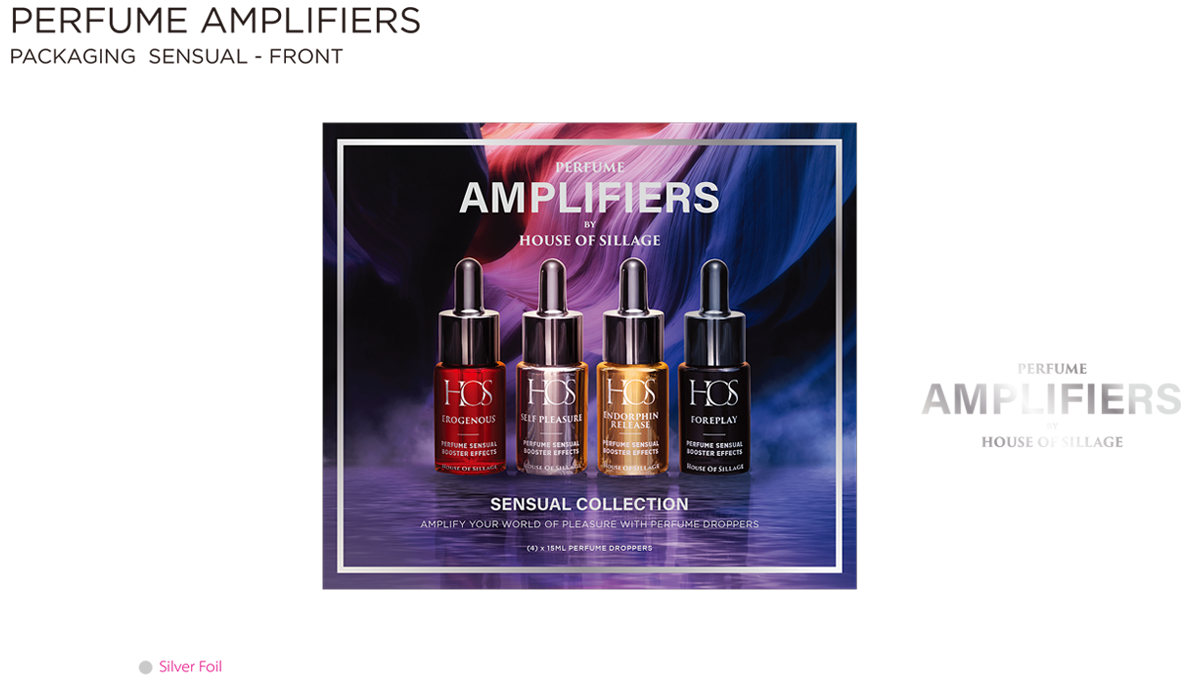
4. Pay Close Attention to the Sampling Process
One of the best ways to evaluate a packaging supplier is to watch what happens before mass production.
A good sample development process should involve more than making a box from a drawing.
The supplier may need to check:
- Product dimensions
- Structural feasibility
- Material selection
- Insert dimensions
- Printing specifications
- Finishing requirements
- Assembly
- Packaging for shipment
This is particularly important when your product or structure is unusual.
For example, an insert that looks correct on a computer screen may need adjustment once the actual product is placed inside it.
A magnetic closure may also require testing rather than simply assuming that any magnet will work.
Sampling is therefore not just a preview of the finished product.
It is an opportunity to discover problems before they become production problems.
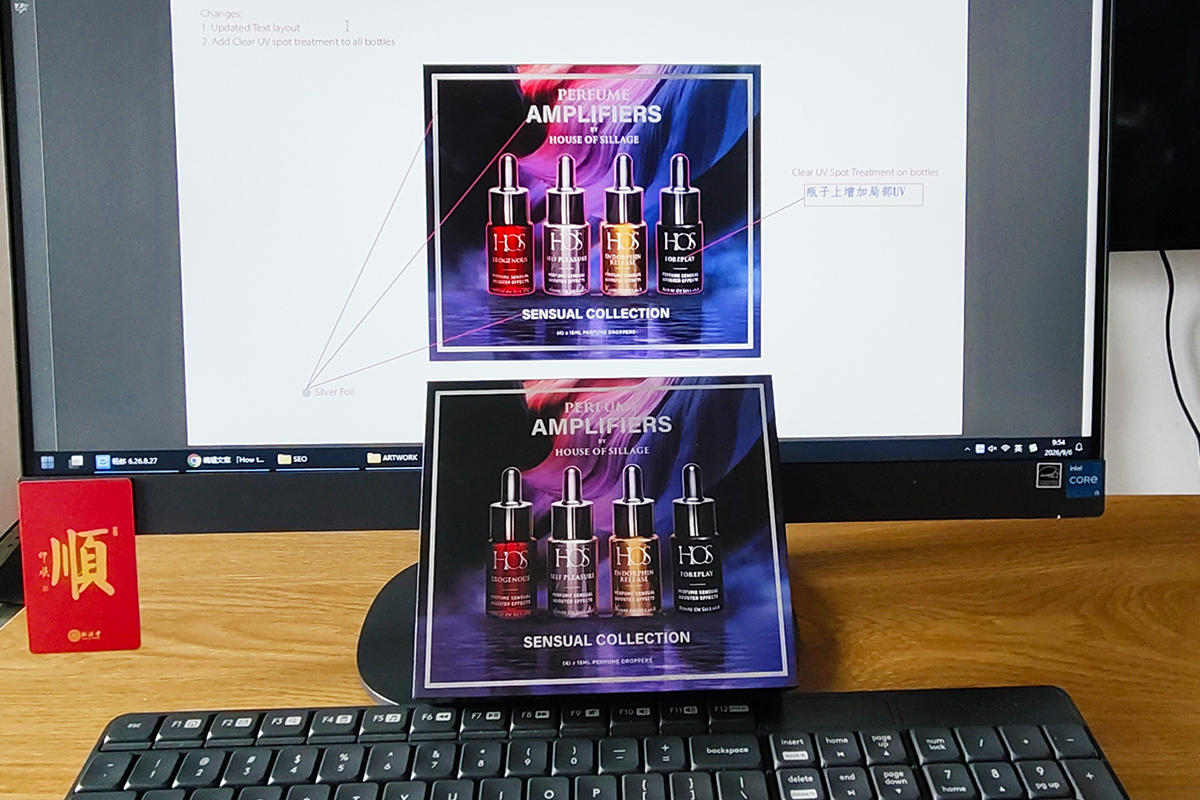
5. Ask How They Handle Color and Finishing
For premium packaging, color is often more complicated than it appears on a screen.
A brand may provide a Pantone reference, CMYK artwork, or a physical color sample. The supplier should understand which printing method and materials are appropriate for the required result.
The same applies to finishing.
Depending on the design, you may consider:
- Matte lamination
- Gloss lamination
- Soft-touch lamination
- Hot foil stamping
- Embossing or debossing
- Spot UV
- Reverse UV
- Specialty papers
The important point is not how many finishing options a supplier can list.
It is whether they can explain the practical differences.
For example, when a brand color is particularly important, using the appropriate Pantone reference may be preferable to relying entirely on standard digital printing.
Likewise, a soft-touch surface and a standard matte surface may look similar in some photographs but feel quite different in person.
A good supplier should help you choose the finish rather than simply sell you more finishes.
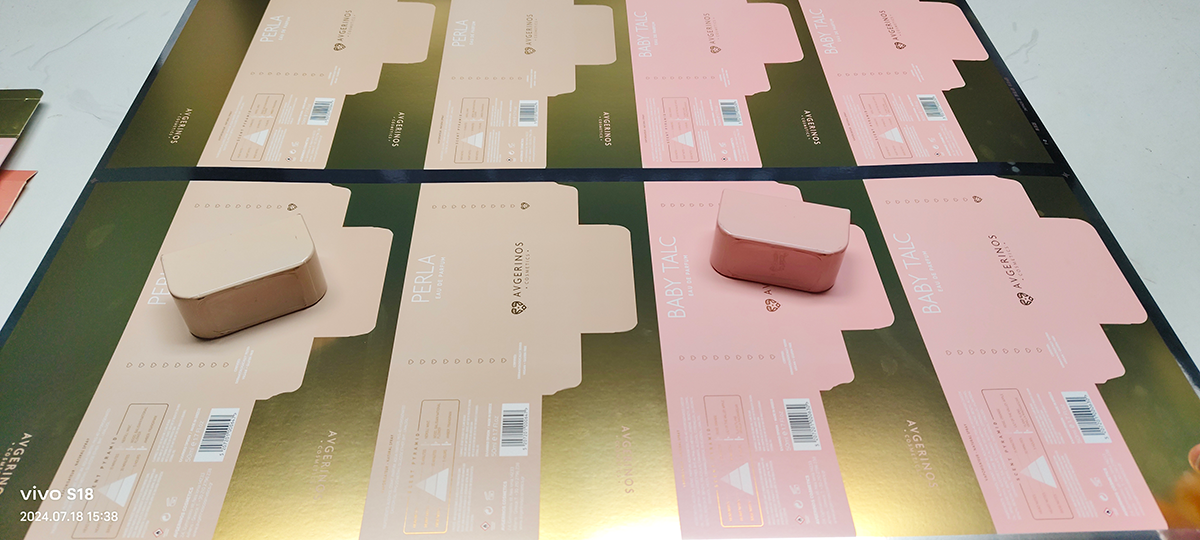
6. Find Out What Their Quality Control Actually Covers
“Quality control” is easy to put on a website.
The more useful question is:
What exactly do you check?
Depending on the packaging, quality checks may include:
- Dimensions
- Color consistency
- Printing position
- Foil registration
- Lamination
- Surface defects
- Structural alignment
- Magnetic closure
- Insert fit
- Corner quality
- Packing condition
For packaging containing glass bottles or other fragile products, structural performance can be just as important as appearance.
A beautiful box that allows the product to move inside is still a packaging problem.
Ask your supplier what they inspect, when they inspect it, and what happens when a problem is found.
That conversation can tell you much more than simply asking whether they have a QC department.
7. Ask Who Will Actually Manage Your Project
This is easy to overlook when everything is going well.
A packaging project may involve artwork, engineering, sampling, printing, finishing, assembly, inspection, and shipping.
When something changes, you need to know who is responsible for communicating that change to the people involved.
Ask:
- Who is my main contact?
- Who checks the artwork?
- Who coordinates sampling?
- Who confirms production details?
- Who handles quality issues?
- Who communicates shipping information?
You do not necessarily need a large customer service department.
Sometimes a direct line of communication with someone who understands the project is more useful.
The important thing is accountability.
8. Compare Quotations Only When the Specifications Match
This is one of the easiest ways to misunderstand packaging prices.
Two suppliers can quote the “same box” while actually quoting different products.
The difference could be:
- Board thickness
- Paper type
- Printing method
- Number of colors
- Lamination
- Foil stamping
- Insert material
- Magnet specification
- Assembly
- Packing method
For example, one quotation may include a custom paperboard insert while another assumes a simpler insert.
Both prices may be correct.
They are simply not pricing exactly the same product.
Before comparing suppliers, make sure the specifications are aligned.
A useful quotation should make the main cost drivers understandable rather than presenting only a single unit price.
9. Should You Choose a Large Factory or a Smaller Supplier?
There is no universal answer.
Large manufacturers can be an excellent choice for very high-volume orders, standardized products, and highly automated production.
But factory size is not the only factor that determines whether a supplier is suitable for a project.
For a growing brand developing several premium SKUs, you may value:
- Direct communication
- Flexible development
- Frequent sampling
- Structural problem-solving
- Coordination of several packaging components
- Close attention to project details
A smaller or more specialized packaging team may sometimes be better suited to this type of project.
This does not mean smaller suppliers are always better.
If you need extremely large production volumes, a large manufacturer may be exactly what you need.
The right question is not “Which supplier is bigger?” It is “Which supplier fits this project?”
10. Think About What Happens When Something Goes Wrong
This may be the most important question of all.
Before placing an order, ask yourself:
What happens if the color is not right?
What happens if the insert does not fit?
What happens if a finishing detail is incorrect?
What happens if the production schedule changes?
Who will communicate with me and help resolve it?
No packaging project is completely free of unexpected issues.
Materials vary. Designs change. Production conditions sometimes require adjustment.
The difference between suppliers often becomes visible when something does not go according to plan.
A supplier who is willing to point out a potential problem before production can be more valuable than one who simply says “yes” to every request.
Large Factory, Small Supplier, or Something in Between?
When choosing a packaging supplier, it is tempting to use factory size as a shortcut.
A large factory may appear safer.
A low quotation may appear more competitive.
But neither tells the whole story.
For custom retail packaging, the supplier also needs to understand your product, communicate accurately, develop the structure, coordinate production, and pay attention to the details that matter to your brand.
For some projects, scale is the priority.
For others, flexibility and project attention are more important.
There is no reason to choose a smaller supplier simply because it is smaller.
Likewise, there is no reason to choose a large supplier simply because it is large.
Choose based on what your project actually needs.
Where Longgreen Packaging Fits
Longgreen Packaging is based in Shenzhen and focuses on custom packaging projects for international brands.
We are not the largest packaging manufacturer, and we do not try to compete simply by being the cheapest supplier.
Our role is to help customers develop and manage custom packaging projects with suitable production partners.
Depending on the project, this can include:
- Product and packaging requirement review
- Structural development
- Material selection
- Prototype development
- Printing and finishing coordination
- Production follow-up
- Quality inspection
- Packing and shipping coordination
Our packaging work covers areas such as perfume, cosmetics, premium gifts, and other retail products, including rigid boxes, magnetic closure boxes, folding cartons, paper bags, labels, inserts, and related packaging components.
One project may require only a simple folding carton.
Another may involve a rigid box, custom insert, shopping bag, labels, tissue paper, and other components that need to work together.
The role of a packaging partner is not simply to manufacture a box.
It is to help make sure the entire packaging solution works.
A Simple Packaging Supplier Checklist
Before placing your next packaging order, ask:
- Does the supplier understand my product?
- Can they explain the advantages and disadvantages of different structures?
- Can they show relevant physical samples?
- Do they have a clear sampling process?
- Can they work accurately with my color and finishing requirements?
- Can they explain what their QC actually checks?
- Do I know who is responsible for my project?
- Am I comparing equivalent specifications between suppliers?
- Does the supplier’s production capability match my order volume?
- Do I feel confident about how they will respond if something goes wrong?
If you can answer “yes” to most of these questions, you are probably looking at the supplier for the right reasons.
The Right Person Matters More Than Company Size
In the end, whether your order is large or small, and whether your packaging project is simple or highly customized, the size of the supplier is not the only thing that matters.
What matters is having someone on the other side who is willing to stay closely involved in your project — someone who pays attention to the details, responds when you have questions, keeps you informed when something changes, and follows things through from beginning to end.
You should not have to wonder whether your message was received, whether a problem is being handled, or what is happening with your order.
Someone asks. Someone responds. Something needs to be done. Someone follows through.
That kind of communication and accountability is what makes a supplier a reliable partner.
And sometimes, that matters more than how big the factory is.
Looking for a packaging partner for your next project?
Share your product dimensions, packaging requirements, estimated quantity, and artwork or concept with us.
We can help you evaluate the structure, materials, finishing, and production approach before you move into sampling.g.